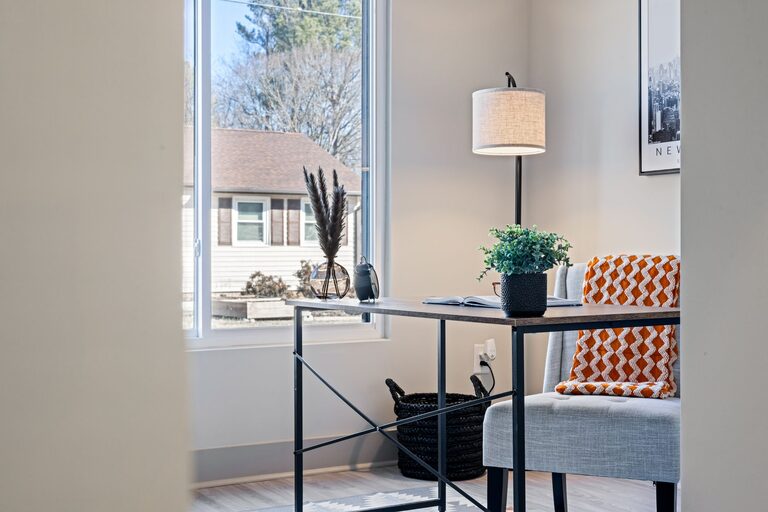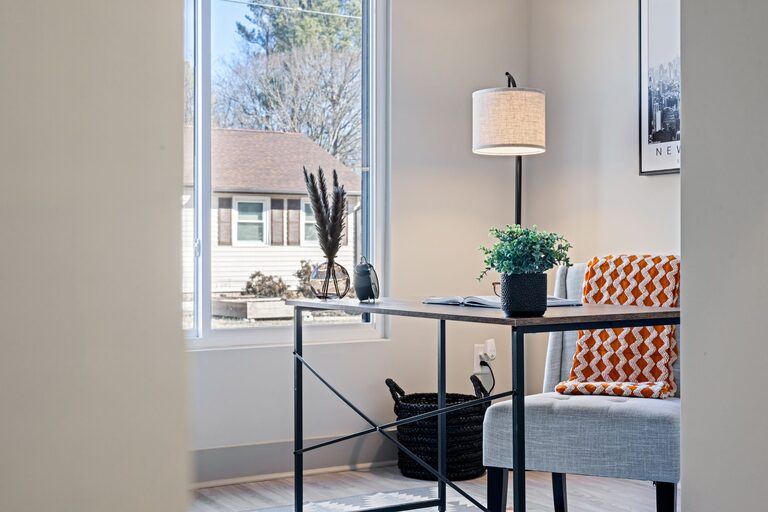
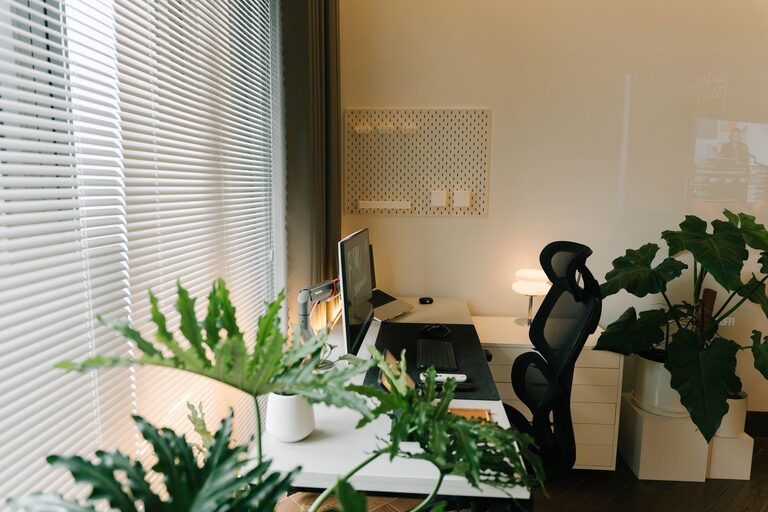
Creating a relaxing home workspace is essential for staying productive and maintaining a healthy work-life balance. When your work environment feels comfortable and calm, it’s easier to focus, reduce stress, and enjoy your tasks. Whether you’re new to working from home or looking to refresh your space, these tips can help you design an inviting workspace that boosts your productivity.
Why a Relaxing Workspace Matters
Your surroundings can have a big impact on how well you work. A cluttered or distracting space can lead to stress and decreased focus. On the other hand, a clean, peaceful area can improve mental clarity, increase motivation, and help you accomplish more in less time.
Choose the Right Location
Start by selecting a spot in your home where you can work with minimal interruptions. If possible, pick a space separate from your main living areas to help set boundaries between work and relaxation.
– Look for natural light, which can improve mood and alertness.
– Avoid areas with high foot traffic or noise.
– Consider using noise-cancelling headphones or white noise machines if you can’t avoid distractions.
Invest in Comfortable Furniture
Comfort plays a crucial role in your ability to work for long periods without strain. Here’s what to focus on:
– Ergonomic chair: Choose one that supports your back and encourages good posture.
– Appropriate desk height: Your desk should allow your arms to rest at about a 90-degree angle while typing.
– Footrest: If your feet don’t rest firmly on the floor, a footrest can reduce discomfort.
Remember, investing in quality furniture can help prevent fatigue and physical discomfort.
Keep It Organized
Clutter can make your space feel chaotic, making it harder to concentrate. Use these tips to stay organized:
– Use drawers, shelves, or bins to store supplies.
– Keep a clean surface, only leaving out items you need daily.
– Regularly declutter to avoid accumulation of unnecessary items.
– Use cable organizers to keep cords neat and untangled.
Personalize Your Space
Adding personal touches can make your workspace inviting and boost your mood. Consider:
– Decorating with items you enjoy, like photos or artwork.
– Adding plants, which can improve air quality and create a calming atmosphere.
– Choosing colors that make you feel relaxed and focused, such as soft blues or greens.
Control Lighting
Good lighting reduces eye strain and helps maintain energy levels. Here’s how to get it right:
– Use a combination of natural light and task lighting.
– Avoid harsh overhead fluorescents; instead, opt for adjustable desk lamps.
– Position your monitor to avoid glare from windows or lights.
Incorporate Calming Elements
To foster relaxation throughout your workday, include elements that promote calmness:
– Use a small diffuser with essential oils like lavender or eucalyptus.
– Include a stress ball or fidget tools for brief mental breaks.
– Play soft background music or ambient sounds to help focus.
Set Boundaries and Take Breaks
Creating a relaxing workspace isn’t just about the physical space—it’s also about how you use it.
– Establish clear work hours to prevent burnout.
– Step away regularly to stretch, walk, or rest your eyes.
– Use breaks to practice breathing exercises or meditation to reset your mind.
Keep Technology in Check
Technology is necessary but can also cause distractions. Try to:
– Keep your phone out of reach when focusing.
– Use apps or settings that limit notifications during work blocks.
– Organize your digital files to avoid frustration when searching for documents.
Maintain Air Quality
Good air quality helps keep you alert and comfortable:
– Open windows when possible for fresh air.
– Use an air purifier if your space tends to be stuffy.
– Keep plants that thrive indoors to filter air naturally.
Final Thoughts
Designing a relaxing home workspace is about creating a balance of comfort, organization, and personal touch. By choosing the right location, investing in ergonomic furniture, managing lighting and clutter, and incorporating calming elements, you can boost your productivity and enjoy your work-from-home experience much more.
Remember, your workspace should support both your professional needs and your well-being. Adjust your setup over time as you discover what works best for you. A relaxed mind, supported by a well-thought-out environment, is always more productive.
About the Author