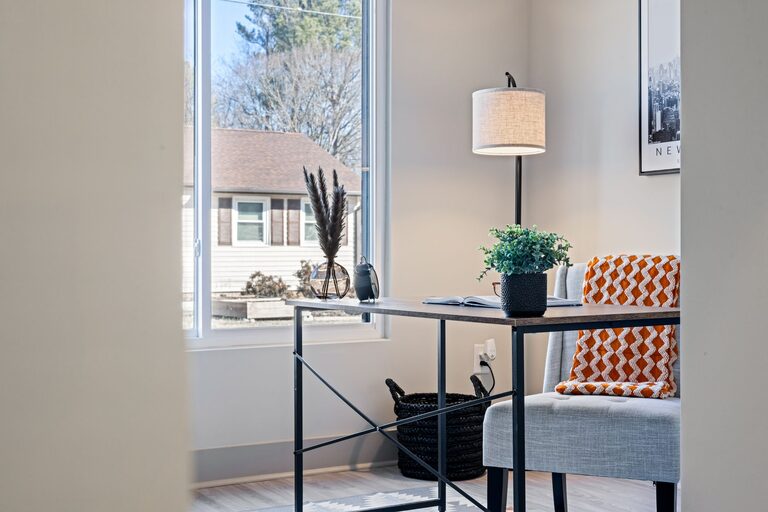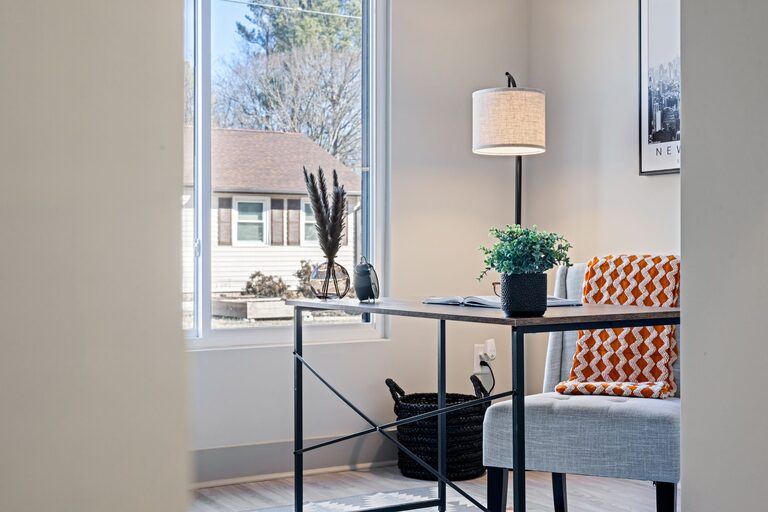

When you spend long hours working from home, having a relaxing home office environment becomes essential. A thoughtfully arranged workspace can not only improve your focus and efficiency but also reduce stress and help maintain a healthy work-life balance. If your current office feels cluttered or uninspiring, don’t worry — creating a calm and inviting space is easier than it seems. Here are some practical tips to help you transform your home office into a relaxing haven.
Choose the Right Location
Your home office’s location matters a lot when it comes to creating a peaceful atmosphere.
– Find a Quiet Spot: Ideally, select a room or corner away from household traffic and noisy appliances.
– Natural Light: Set up near a window if possible. Natural light helps improve mood and alertness.
– Limit Distractions: Avoid placing your desk facing distractions like the TV or busy streets.
Invest in Comfortable Furniture
Comfort plays a key role in how relaxing your workspace feels.
– Ergonomic Chair: Choose a chair that supports your back and promotes good posture.
– Adjustable Desk: Consider a desk that allows you to alternate between sitting and standing, which can reduce fatigue.
– Sufficient Surface Space: Make sure your desk has enough room for your computer, essentials, and a little breathing room.
Use Soothing Colors and Decor
Colors and decor can influence your mood and productivity in subtle yet powerful ways.
– Soft, Light Colors: Shades like pale blue, green, or beige can create a calming environment.
– Personalized Touches: Add photos, plants, or artwork that make you feel happy and inspired without causing clutter.
– Minimalist Style: Avoid overcrowding your space with too many decorations or papers.
Optimize Lighting
Good lighting helps reduce eyestrain and makes your workspace more pleasant.
– Combine Natural and Artificial Light: Use blinds or sheer curtains to manage sunlight, then add a desk lamp with adjustable brightness.
– Avoid Harsh Overhead Lights: Opt for warm-toned bulbs if you prefer ceiling lights.
– Consider Task Lighting: A focused lamp can illuminate your work area without causing glare.
Organize and Declutter
A tidy space promotes mental clarity and reduces stress.
– Storage Solutions: Use shelves, drawers, and organizers to keep documents and supplies neatly stored.
– Cable Management: Utilize clips, sleeves, or boxes to tame wires and cords.
– Daily Tidying: Spend a few minutes each day to put things back in place and clear your desk.
Incorporate Natural Elements
Bringing nature indoors can enhance relaxation and creativity.
– Houseplants: Plants like succulents, snake plants, or peace lilies not only add color but improve air quality.
– Natural Materials: Choose wooden desks or accessories with natural textures.
– Nature Sounds: Consider playing gentle nature sounds or white noise if it helps you focus.
Set Boundaries and Routines
Creating a workspace that feels restful also involves setting clear limits between work and personal life.
– Designate Work Hours: Stick to consistent start and end times to avoid burnout.
– Use Your Space Only for Work: This helps your brain associate the area with productivity and encourages relaxation elsewhere.
– Take Breaks: Schedule short, regular breaks to stand, stretch, or step outside for fresh air.
Add Personal Comfort Items
Small comforts can make a big difference throughout your workday.
– Cozy Accessories: Keep a soft blanket or cushion handy.
– Favorite Beverages: Have a water bottle or your preferred drink within reach.
– Aromatherapy: Scents like lavender or eucalyptus can promote calm, but use sparingly to avoid distractions.
Keep Technology in Check
While technology is essential, overuse or cluttered devices can heighten stress.
– Maintain Digital Organization: Regularly clean your desktop and organize files.
– Notifications: Turn off non-essential alerts during focused work times.
– Quality Equipment: Invest in reliable, ergonomic keyboards, mice, and monitors to enhance comfort.
Final Thoughts
Creating a relaxing home office environment doesn’t require a complete renovation. With intentional decisions about your space, furniture, and daily habits, you can build a workspace that supports your well-being and productivity. Start by implementing a few of these tips, then adjust based on what helps you feel calm and focused. Your home office can become more than just a place to work — it can be your personal retreat that inspires success every day.
About the Author